Buy new-village.com ?
We are moving the project
new-village.com .
Are you interested in purchasing the domain
new-village.com ?
domain@kv-gmbh.de · 0541-91531010
Buy new-village.com ?
How is radioactivity created?
Radioactivity is created when an unstable atomic nucleus undergoes radioactive decay, emitting particles and energy in the process. This decay can occur spontaneously or be induced through processes like nuclear fission or fusion. Radioactive elements have an excess of energy or mass in their nuclei, leading to instability and the release of radiation as they decay into more stable forms. This radiation can take the form of alpha particles, beta particles, gamma rays, or neutrons. **
How is radioactivity formed?
Radioactivity is formed when an unstable atomic nucleus undergoes radioactive decay, emitting particles and energy in the process. This instability can be caused by having an excess of protons or neutrons in the nucleus, leading to an imbalance in the forces holding the nucleus together. The emitted particles can include alpha particles (helium nuclei), beta particles (electrons or positrons), and gamma rays (high-energy photons). The rate at which a radioactive substance decays is measured by its half-life, which is the time it takes for half of the atoms in a sample to decay. **

Similar search terms for Radioactivity
Top-Angebote
Products related to Radioactivity:
-
Our Voices: Neighborhood & Community Boxed SetFoster a feeling of belonging while building key reading skills with these colorful storybooks that spotlight a variety of neighborhoods and communities. The 10 charming stories feature characters from different cultural backgrounds who learn about...32,37 $*Shipping: 0,00 $Secure redirect to the provider
-
T.i./New Metal Design Cabana Village Wall Sculpture Multi Bright , Multi BrightPerched right upon the water, the Cabana Village charms those with seafaring dreams. Designed by artist Joanne Ferrara, the handcrafted metal wall sculpture features three bright green, aqua blue, and salmon houses on stilts above the waves....199,99 $*Shipping: 0,00 $Secure redirect to the provider
-
"""Kumeu River""" """Kumeu River Village Pinot Noir 2022 Red Wine - New Zealand""""""The wine displays a bright cherry red/burgundy color with lifted red fruit aromas. On the palate the wine is cool, round and fruity and with a nice hint of chalky tannin that keeps the wine dry and refreshing. Bright raspberry and maraschino cherry..."24,97 $*Shipping: 0,00 $Secure redirect to the provider




-
What exactly is radioactivity?
Radioactivity is the process by which unstable atomic nuclei emit particles or electromagnetic radiation in order to become more stable. This emission can take the form of alpha particles, beta particles, or gamma rays. Radioactive materials have an excess of energy or mass, which they release in the form of radiation until they reach a stable state. This radiation can be harmful to living organisms if they are exposed to it in high doses. **
-
Does radioactivity taste metallic?
No, radioactivity does not have a taste. Radioactivity refers to the emission of particles or energy from the nucleus of an unstable atom, and it is not a physical substance that can be tasted. The metallic taste that is sometimes associated with radioactivity may be due to exposure to certain metals or chemicals that are radioactive, but the radioactivity itself does not have a taste. **
-
Does radioactivity disrupt electricity?
Radioactivity itself does not disrupt electricity. However, in certain situations, radioactive materials can interfere with electrical equipment. For example, high levels of radiation can cause electrical components to malfunction or even fail. Additionally, radioactive materials can generate heat, which can potentially affect the performance of electrical systems. Overall, while radioactivity does not directly disrupt electricity, it can have indirect effects on electrical equipment in certain circumstances. **
-
What is meant by radioactivity?
Radioactivity is the process by which unstable atomic nuclei emit particles or electromagnetic radiation in order to become more stable. This emission can take the form of alpha particles, beta particles, or gamma rays. Radioactive decay is a random process, and the rate at which it occurs is measured by the half-life of the radioactive material. **


How much radioactivity is normal?
Normal levels of radioactivity can vary depending on the specific location and environment. In general, background radiation levels are typically around 0.1 to 0.2 microsieverts per hour (µSv/h) in most parts of the world. However, certain areas may have higher natural background radiation levels due to factors such as the presence of radioactive minerals in the soil or rocks. It's important to note that exposure to higher levels of radioactivity, whether from natural or man-made sources, can pose health risks, so it's important to monitor and limit exposure when possible. **
How can radioactivity be contained?
Radioactivity can be contained through various methods such as using shielding materials like lead or concrete to block the emission of radiation. Additionally, proper storage and handling of radioactive materials in secure facilities can help prevent their release into the environment. Containment can also be achieved through the use of engineered barriers such as sealed containers and underground storage facilities. Regular monitoring and maintenance of these containment measures are essential to ensure the safety and security of radioactive materials. **
Top-Angebote
Products related to Radioactivity:
-
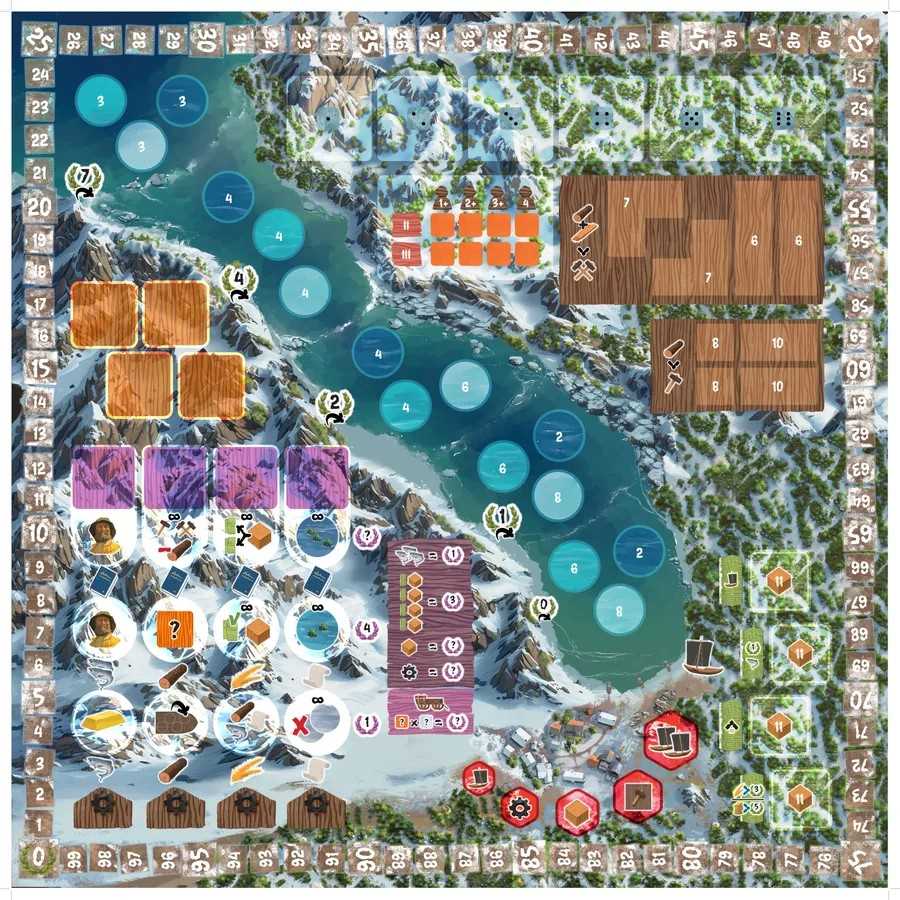
Aporta Games Saltfjord Board Game - Dice Drafting - Village Development - Resource ManagementBuild a fishing village in northern Norway with Saltfjord, a strategic board game set at the end of the 19th century. Players develop their own settlement while making careful decisions about resources, buildings, trade, and technology. Use dice drafting to determine the actions available to you, then send your boat out to gather fish and expand the prosperity of your village. Construct new buildings, improve your capabilities, and discover technologies that can make everyday life more efficient. The game draws inspiration from the dice-drafting mechanisms of Santa Maria, while introducing its own setting, systems, and expanded gameplay. Each decision contributes to the direction of your settlement, giving players several ways to pursue success.45,21 £*Shipping: 3,95 £Secure redirect to the provider
-
Maestro Media The Binding of Isaac: Four Souls Community Booster Pack - 20 New Cards ExpansionExpand your Four Souls collection and bring fresh possibilities to The Binding of Isaac: Four Souls with the Community Booster Pack. This expansion adds 20 new cards created by members of the Four Souls community and selected by Edmund McMillen from player submissions. These cards introduce additional content for your games, helping you discover new combinations, encounters, and strategies as you battle through the twisted world of The Binding of Isaac. Designed for players who already own the compatible Four Souls base game, this retail booster pack adds another layer of variety to your tabletop sessions and allows you to explore new card combinations with this community-focused expansion.14,99 £*Shipping: 3,95 £Secure redirect to the provider
-
Our Voices: Neighborhood & Community Boxed SetFoster a feeling of belonging while building key reading skills with these colorful storybooks that spotlight a variety of neighborhoods and communities. The 10 charming stories feature characters from different cultural backgrounds who learn about...32,37 $*Shipping: 0,00 $Secure redirect to the provider
-
How is radioactivity created?
Radioactivity is created when an unstable atomic nucleus undergoes radioactive decay, emitting particles and energy in the process. This decay can occur spontaneously or be induced through processes like nuclear fission or fusion. Radioactive elements have an excess of energy or mass in their nuclei, leading to instability and the release of radiation as they decay into more stable forms. This radiation can take the form of alpha particles, beta particles, gamma rays, or neutrons. **
-
How is radioactivity formed?
Radioactivity is formed when an unstable atomic nucleus undergoes radioactive decay, emitting particles and energy in the process. This instability can be caused by having an excess of protons or neutrons in the nucleus, leading to an imbalance in the forces holding the nucleus together. The emitted particles can include alpha particles (helium nuclei), beta particles (electrons or positrons), and gamma rays (high-energy photons). The rate at which a radioactive substance decays is measured by its half-life, which is the time it takes for half of the atoms in a sample to decay. **
-
What exactly is radioactivity?
Radioactivity is the process by which unstable atomic nuclei emit particles or electromagnetic radiation in order to become more stable. This emission can take the form of alpha particles, beta particles, or gamma rays. Radioactive materials have an excess of energy or mass, which they release in the form of radiation until they reach a stable state. This radiation can be harmful to living organisms if they are exposed to it in high doses. **
-
Does radioactivity taste metallic?
No, radioactivity does not have a taste. Radioactivity refers to the emission of particles or energy from the nucleus of an unstable atom, and it is not a physical substance that can be tasted. The metallic taste that is sometimes associated with radioactivity may be due to exposure to certain metals or chemicals that are radioactive, but the radioactivity itself does not have a taste. **
Similar search terms for Radioactivity
-
T.i./New Metal Design Cabana Village Wall Sculpture Multi Bright , Multi BrightPerched right upon the water, the Cabana Village charms those with seafaring dreams. Designed by artist Joanne Ferrara, the handcrafted metal wall sculpture features three bright green, aqua blue, and salmon houses on stilts above the waves....199,99 $*Shipping: 0,00 $Secure redirect to the provider
-
"""Kumeu River""" """Kumeu River Village Pinot Noir 2022 Red Wine - New Zealand""""""The wine displays a bright cherry red/burgundy color with lifted red fruit aromas. On the palate the wine is cool, round and fruity and with a nice hint of chalky tannin that keeps the wine dry and refreshing. Bright raspberry and maraschino cherry..."24,97 $*Shipping: 0,00 $Secure redirect to the provider
-
Sesderma Reti Age 5 Liposomal Serum Anti-Aging Innovation 30mLA facial serum for wrinkles and signs of ageing. Reduces wrinkles and fine lines. Hydrates and strengthens barrier. Restores youthful radiance. 5-Retinoid System: smooths wrinkles, accelerates renewal, and boosts collagen. Biomimetic Peptides: fill expression lines by stimulating collagen synthesis.53,26 £*Shipping: 5,22 £Secure redirect to the provider
-
"""Chateau Petit Village""" """Chateau Petit Village 2022 Red Wine - France""""""Blend: 65% Merlot, 28% Cabernet Franc, 7% Cabernet Sauvignon The blackberries and blueberries, ash and cedar are prevalent on the nose, flowing through to a medium body with a beautiful center palate and curated tannins that run the length of the..."156,99 $*Shipping: 0,00 $Secure redirect to the provider
-
Does radioactivity disrupt electricity?
Radioactivity itself does not disrupt electricity. However, in certain situations, radioactive materials can interfere with electrical equipment. For example, high levels of radiation can cause electrical components to malfunction or even fail. Additionally, radioactive materials can generate heat, which can potentially affect the performance of electrical systems. Overall, while radioactivity does not directly disrupt electricity, it can have indirect effects on electrical equipment in certain circumstances. **
-
What is meant by radioactivity?
Radioactivity is the process by which unstable atomic nuclei emit particles or electromagnetic radiation in order to become more stable. This emission can take the form of alpha particles, beta particles, or gamma rays. Radioactive decay is a random process, and the rate at which it occurs is measured by the half-life of the radioactive material. **
-
How much radioactivity is normal?
Normal levels of radioactivity can vary depending on the specific location and environment. In general, background radiation levels are typically around 0.1 to 0.2 microsieverts per hour (µSv/h) in most parts of the world. However, certain areas may have higher natural background radiation levels due to factors such as the presence of radioactive minerals in the soil or rocks. It's important to note that exposure to higher levels of radioactivity, whether from natural or man-made sources, can pose health risks, so it's important to monitor and limit exposure when possible. **
-
How can radioactivity be contained?
Radioactivity can be contained through various methods such as using shielding materials like lead or concrete to block the emission of radiation. Additionally, proper storage and handling of radioactive materials in secure facilities can help prevent their release into the environment. Containment can also be achieved through the use of engineered barriers such as sealed containers and underground storage facilities. Regular monitoring and maintenance of these containment measures are essential to ensure the safety and security of radioactive materials. **
* All prices are inclusive of VAT and, if applicable, plus shipping costs. The offer information is based on the details provided by the respective shop and is updated through automated processes. Real-time updates do not occur, so deviations can occur in individual cases. ** Note: Parts of this content were created by AI.