Buy new-village.com ?
We are moving the project
new-village.com .
Are you interested in purchasing the domain
new-village.com ?
domain@kv-gmbh.de · 0541-91531010
Buy new-village.com ?
Aren't rheas non-invasive?
Rheas are native to South America and are not considered invasive in their natural habitat. However, in some areas outside of their native range, such as in parts of the United States, rheas have been introduced and have the potential to become invasive. In these non-native environments, rheas can compete with native species for resources and disrupt the local ecosystem. Therefore, while rheas are not inherently invasive, their introduction to new areas can pose a threat to local biodiversity. **
Should invasive species be controlled?
Yes, invasive species should be controlled because they can have negative impacts on native ecosystems, including outcompeting native species, altering habitats, and disrupting ecological processes. This can lead to a loss of biodiversity and ecosystem function. Controlling invasive species can help to protect and restore native ecosystems, which in turn can benefit the overall health of the environment and the species that depend on it. However, it is important to carefully consider the methods used for control to minimize harm to non-target species and the environment. **

Similar search terms for Invasive
Top-Angebote
Products related to Invasive:
-
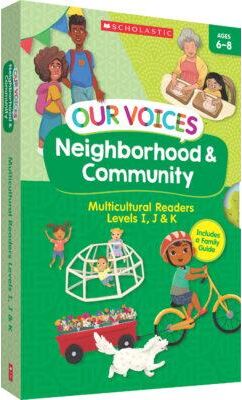
Our Voices: Neighborhood & Community Boxed SetFoster a feeling of belonging while building key reading skills with these colorful storybooks that spotlight a variety of neighborhoods and communities. The 10 charming stories feature characters from different cultural backgrounds who learn about...32,37 $*Shipping: 0,00 $Secure redirect to the provider
-
T.i./New Metal Design Cabana Village Wall Sculpture Multi Bright , Multi BrightPerched right upon the water, the Cabana Village charms those with seafaring dreams. Designed by artist Joanne Ferrara, the handcrafted metal wall sculpture features three bright green, aqua blue, and salmon houses on stilts above the waves....199,99 $*Shipping: 0,00 $Secure redirect to the provider
-
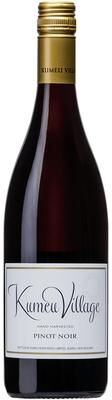
"""Kumeu River""" """Kumeu River Village Pinot Noir 2022 Red Wine - New Zealand""""""The wine displays a bright cherry red/burgundy color with lifted red fruit aromas. On the palate the wine is cool, round and fruity and with a nice hint of chalky tannin that keeps the wine dry and refreshing. Bright raspberry and maraschino cherry..."24,97 $*Shipping: 0,00 $Secure redirect to the provider


-
What are non-invasive medical devices?
Non-invasive medical devices are tools or equipment that do not penetrate the body or break the skin during their use. These devices are designed to diagnose, monitor, or treat medical conditions without the need for surgery or other invasive procedures. Examples of non-invasive medical devices include blood pressure monitors, thermometers, and ultrasound machines. These devices are often preferred by patients and healthcare providers due to their lower risk of complications and ease of use. **
-
Which invasive species are endangering amphibians?
One invasive species that is endangering amphibians is the American bullfrog (Lithobates catesbeianus). These bullfrogs are aggressive predators and compete with native amphibians for resources, leading to declines in native populations. Another invasive species that poses a threat to amphibians is the chytrid fungus (Batrachochytrium dendrobatidis), which causes the disease chytridiomycosis and has been linked to population declines and extinctions of amphibian species worldwide. Both of these invasive species are contributing to the decline of amphibian populations globally. **
-
What are the new invasive species of plants, animals, and insects?
Some of the new invasive species of plants include the mile-a-minute weed (Persicaria perfoliata) and the Japanese stiltgrass (Microstegium vimineum). In terms of animals, the Burmese python (Python bivittatus) has become a major invasive species in the Florida Everglades, while the Asian carp (Hypophthalmichthys spp.) has been causing issues in the Great Lakes region. Additionally, the spotted lanternfly (Lycorma delicatula) has been spreading rapidly in the United States and is causing damage to various crops and plants. These invasive species can have significant negative impacts on ecosystems, agriculture, and human health. **
-
Is it normal or invasive at work?
It is important to maintain a balance between being friendly and professional in the workplace. It is normal to engage in friendly conversations and build relationships with colleagues, but it becomes invasive when personal boundaries are crossed or when it interferes with productivity. Invasive behavior at work can include prying into personal matters, gossiping, or making inappropriate comments. It is important to be mindful of how our actions and words may be perceived by others in the workplace. **


Is it allowed to catch invasive crayfish species?
In many places, it is allowed to catch invasive crayfish species as they can have a negative impact on the local ecosystem. However, it is important to check local regulations and guidelines before catching any crayfish, as there may be specific rules in place to manage invasive species. It is also important to properly dispose of any caught invasive crayfish to prevent further spread and impact on the environment. **
Which invasive species pose a threat to amphibians?
Some invasive species that pose a threat to amphibians include the American bullfrog, which preys on native amphibians and competes with them for resources. The African clawed frog is another invasive species that can carry diseases harmful to amphibians. The cane toad is known for its toxic skin secretions that can be deadly to predators, including amphibians. These invasive species can disrupt the balance of ecosystems and contribute to the decline of native amphibian populations. **
Top-Angebote
Products related to Invasive:
-
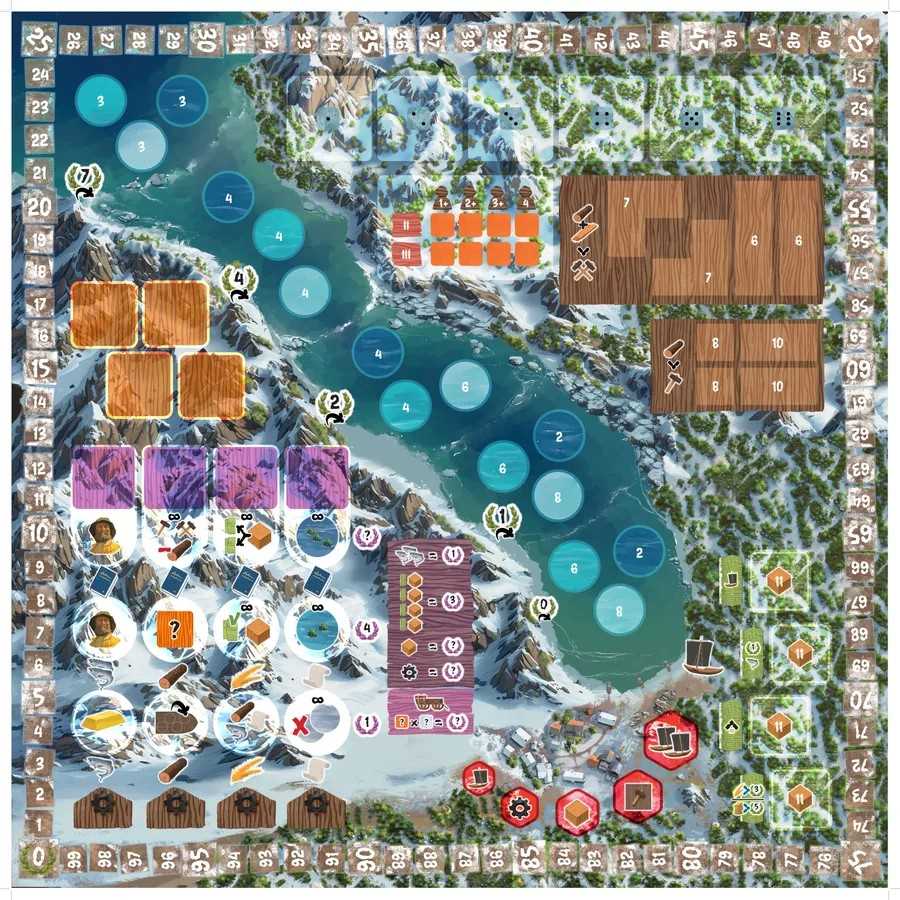
Aporta Games Saltfjord Board Game - Dice Drafting - Village Development - Resource ManagementBuild a fishing village in northern Norway with Saltfjord, a strategic board game set at the end of the 19th century. Players develop their own settlement while making careful decisions about resources, buildings, trade, and technology. Use dice drafting to determine the actions available to you, then send your boat out to gather fish and expand the prosperity of your village. Construct new buildings, improve your capabilities, and discover technologies that can make everyday life more efficient. The game draws inspiration from the dice-drafting mechanisms of Santa Maria, while introducing its own setting, systems, and expanded gameplay. Each decision contributes to the direction of your settlement, giving players several ways to pursue success.45,21 £*Shipping: 3,95 £Secure redirect to the provider
-
Maestro Media The Binding of Isaac: Four Souls Community Booster Pack - 20 New Cards ExpansionExpand your Four Souls collection and bring fresh possibilities to The Binding of Isaac: Four Souls with the Community Booster Pack. This expansion adds 20 new cards created by members of the Four Souls community and selected by Edmund McMillen from player submissions. These cards introduce additional content for your games, helping you discover new combinations, encounters, and strategies as you battle through the twisted world of The Binding of Isaac. Designed for players who already own the compatible Four Souls base game, this retail booster pack adds another layer of variety to your tabletop sessions and allows you to explore new card combinations with this community-focused expansion.14,99 £*Shipping: 3,95 £Secure redirect to the provider
-
Our Voices: Neighborhood & Community Boxed SetFoster a feeling of belonging while building key reading skills with these colorful storybooks that spotlight a variety of neighborhoods and communities. The 10 charming stories feature characters from different cultural backgrounds who learn about...32,37 $*Shipping: 0,00 $Secure redirect to the provider
-
Aren't rheas non-invasive?
Rheas are native to South America and are not considered invasive in their natural habitat. However, in some areas outside of their native range, such as in parts of the United States, rheas have been introduced and have the potential to become invasive. In these non-native environments, rheas can compete with native species for resources and disrupt the local ecosystem. Therefore, while rheas are not inherently invasive, their introduction to new areas can pose a threat to local biodiversity. **
-
Should invasive species be controlled?
Yes, invasive species should be controlled because they can have negative impacts on native ecosystems, including outcompeting native species, altering habitats, and disrupting ecological processes. This can lead to a loss of biodiversity and ecosystem function. Controlling invasive species can help to protect and restore native ecosystems, which in turn can benefit the overall health of the environment and the species that depend on it. However, it is important to carefully consider the methods used for control to minimize harm to non-target species and the environment. **
-
What are non-invasive medical devices?
Non-invasive medical devices are tools or equipment that do not penetrate the body or break the skin during their use. These devices are designed to diagnose, monitor, or treat medical conditions without the need for surgery or other invasive procedures. Examples of non-invasive medical devices include blood pressure monitors, thermometers, and ultrasound machines. These devices are often preferred by patients and healthcare providers due to their lower risk of complications and ease of use. **
-
Which invasive species are endangering amphibians?
One invasive species that is endangering amphibians is the American bullfrog (Lithobates catesbeianus). These bullfrogs are aggressive predators and compete with native amphibians for resources, leading to declines in native populations. Another invasive species that poses a threat to amphibians is the chytrid fungus (Batrachochytrium dendrobatidis), which causes the disease chytridiomycosis and has been linked to population declines and extinctions of amphibian species worldwide. Both of these invasive species are contributing to the decline of amphibian populations globally. **
Similar search terms for Invasive
-
T.i./New Metal Design Cabana Village Wall Sculpture Multi Bright , Multi BrightPerched right upon the water, the Cabana Village charms those with seafaring dreams. Designed by artist Joanne Ferrara, the handcrafted metal wall sculpture features three bright green, aqua blue, and salmon houses on stilts above the waves....199,99 $*Shipping: 0,00 $Secure redirect to the provider
-
"""Kumeu River""" """Kumeu River Village Pinot Noir 2022 Red Wine - New Zealand""""""The wine displays a bright cherry red/burgundy color with lifted red fruit aromas. On the palate the wine is cool, round and fruity and with a nice hint of chalky tannin that keeps the wine dry and refreshing. Bright raspberry and maraschino cherry..."24,97 $*Shipping: 0,00 $Secure redirect to the provider
-
Sesderma Reti Age 5 Liposomal Serum Anti-Aging Innovation 30mLA facial serum for wrinkles and signs of ageing. Reduces wrinkles and fine lines. Hydrates and strengthens barrier. Restores youthful radiance. 5-Retinoid System: smooths wrinkles, accelerates renewal, and boosts collagen. Biomimetic Peptides: fill expression lines by stimulating collagen synthesis.53,26 £*Shipping: 5,22 £Secure redirect to the provider
-
"""Chateau Petit Village""" """Chateau Petit Village 2022 Red Wine - France""""""Blend: 65% Merlot, 28% Cabernet Franc, 7% Cabernet Sauvignon The blackberries and blueberries, ash and cedar are prevalent on the nose, flowing through to a medium body with a beautiful center palate and curated tannins that run the length of the..."156,99 $*Shipping: 0,00 $Secure redirect to the provider
-
What are the new invasive species of plants, animals, and insects?
Some of the new invasive species of plants include the mile-a-minute weed (Persicaria perfoliata) and the Japanese stiltgrass (Microstegium vimineum). In terms of animals, the Burmese python (Python bivittatus) has become a major invasive species in the Florida Everglades, while the Asian carp (Hypophthalmichthys spp.) has been causing issues in the Great Lakes region. Additionally, the spotted lanternfly (Lycorma delicatula) has been spreading rapidly in the United States and is causing damage to various crops and plants. These invasive species can have significant negative impacts on ecosystems, agriculture, and human health. **
-
Is it normal or invasive at work?
It is important to maintain a balance between being friendly and professional in the workplace. It is normal to engage in friendly conversations and build relationships with colleagues, but it becomes invasive when personal boundaries are crossed or when it interferes with productivity. Invasive behavior at work can include prying into personal matters, gossiping, or making inappropriate comments. It is important to be mindful of how our actions and words may be perceived by others in the workplace. **
-
Is it allowed to catch invasive crayfish species?
In many places, it is allowed to catch invasive crayfish species as they can have a negative impact on the local ecosystem. However, it is important to check local regulations and guidelines before catching any crayfish, as there may be specific rules in place to manage invasive species. It is also important to properly dispose of any caught invasive crayfish to prevent further spread and impact on the environment. **
-
Which invasive species pose a threat to amphibians?
Some invasive species that pose a threat to amphibians include the American bullfrog, which preys on native amphibians and competes with them for resources. The African clawed frog is another invasive species that can carry diseases harmful to amphibians. The cane toad is known for its toxic skin secretions that can be deadly to predators, including amphibians. These invasive species can disrupt the balance of ecosystems and contribute to the decline of native amphibian populations. **
* All prices are inclusive of VAT and, if applicable, plus shipping costs. The offer information is based on the details provided by the respective shop and is updated through automated processes. Real-time updates do not occur, so deviations can occur in individual cases. ** Note: Parts of this content were created by AI.