Buy new-village.com ?
We are moving the project
new-village.com .
Are you interested in purchasing the domain
new-village.com ?
domain@kv-gmbh.de · 0541-91531010
Buy new-village.com ?
What is covalent development?
Covalent development is a term used in the context of software development to describe a collaborative approach to building and maintaining software. It involves multiple developers working together on the same codebase, using version control systems to manage changes and updates. Covalent development emphasizes communication, teamwork, and shared responsibility for the code, leading to a more efficient and cohesive development process. This approach allows for greater flexibility and adaptability in responding to changes and challenges in the development process. **
What are covalent bonds?
Covalent bonds are a type of chemical bond formed between two atoms when they share one or more pairs of electrons. This sharing of electrons allows both atoms to achieve a more stable electron configuration, typically by filling their outermost energy levels. Covalent bonds are typically found in molecules and are responsible for holding the atoms together to form the structure of the molecule. These bonds can be either polar, where the shared electrons are not equally distributed between the atoms, or nonpolar, where the shared electrons are equally distributed. **

Similar search terms for Covalent
Top-Angebote
Products related to Covalent:
-
T.i./New Metal Design Fishing Village Wall Sculpture Brown , BrownNestled right along the water's edge, the Fishing Village rises early for the best catch. Designed by artist Joanne Ferrara, the handcrafted wood and metal wall art resembles a realistic fishing village complete with boats, traps, docks, buoys,...199,99 $*Shipping: 0,00 $Secure redirect to the provider
-
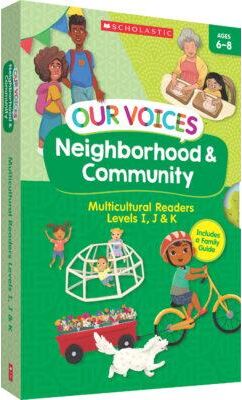
Our Voices: Neighborhood & Community Boxed SetFoster a feeling of belonging while building key reading skills with these colorful storybooks that spotlight a variety of neighborhoods and communities. The 10 charming stories feature characters from different cultural backgrounds who learn about...32,37 $*Shipping: 0,00 $Secure redirect to the provider
-
T.i./New Metal Design Cabana Village Wall Sculpture Multi Bright , Multi BrightPerched right upon the water, the Cabana Village charms those with seafaring dreams. Designed by artist Joanne Ferrara, the handcrafted metal wall sculpture features three bright green, aqua blue, and salmon houses on stilts above the waves....199,99 $*Shipping: 0,00 $Secure redirect to the provider
-
"""Kumeu River""" """Kumeu River Village Pinot Noir 2022 Red Wine - New Zealand""""""The wine displays a bright cherry red/burgundy color with lifted red fruit aromas. On the palate the wine is cool, round and fruity and with a nice hint of chalky tannin that keeps the wine dry and refreshing. Bright raspberry and maraschino cherry..."24,97 $*Shipping: 0,00 $Secure redirect to the provider



-
What is a covalent bond?
A covalent bond is a type of chemical bond that involves the sharing of electron pairs between atoms. This sharing of electrons allows each atom to achieve a more stable electron configuration, typically by filling their outermost energy level. Covalent bonds are typically found in molecules and are stronger than other types of chemical bonds, such as ionic bonds. The number of shared electrons can vary, leading to different types of covalent bonds, such as single, double, or triple bonds. **
-
What is a non-covalent bond?
A non-covalent bond is a type of chemical bond that does not involve the sharing of electrons between atoms. Instead, non-covalent bonds are formed through electrostatic interactions, such as hydrogen bonding, van der Waals forces, and ion-dipole interactions. These bonds are generally weaker than covalent bonds and can be easily broken under certain conditions. **
-
What does "covalent" mean in chemistry?
In chemistry, "covalent" refers to a type of chemical bond that involves the sharing of electron pairs between atoms. This type of bond is formed between nonmetal atoms and is characterized by the atoms sharing electrons in order to achieve a stable electron configuration. Covalent bonds are typically strong and result in the formation of molecules. **
-
Is covalent bonding a difficult topic?
Covalent bonding can be a challenging topic for some students due to its abstract nature and the need to understand concepts such as electron sharing and molecular geometry. However, with proper explanation and practice, students can grasp the fundamentals of covalent bonding. It is important to break down the concepts into simpler parts and provide real-world examples to help students understand the concept better. With patience and practice, students can overcome the difficulties associated with covalent bonding. **


What is a nonpolar covalent bond?
A nonpolar covalent bond is a type of chemical bond where two atoms share electrons equally. This occurs when the difference in electronegativity between the two atoms is very small or nonexistent. As a result, there is no separation of charge within the bond, making it nonpolar. Nonpolar covalent bonds are typically found between atoms of the same element or between atoms with similar electronegativities. **
Can you explain the covalent bond?
A covalent bond is a type of chemical bond that involves the sharing of electron pairs between atoms. This sharing of electrons allows each atom to achieve a full outer electron shell, making the atoms more stable. Covalent bonds are typically formed between nonmetal atoms, and the strength of the bond is determined by the number of shared electrons and the distance between the nuclei of the atoms. Covalent bonds can be either polar or nonpolar, depending on the electronegativity difference between the atoms involved. **
Top-Angebote
Products related to Covalent:
-
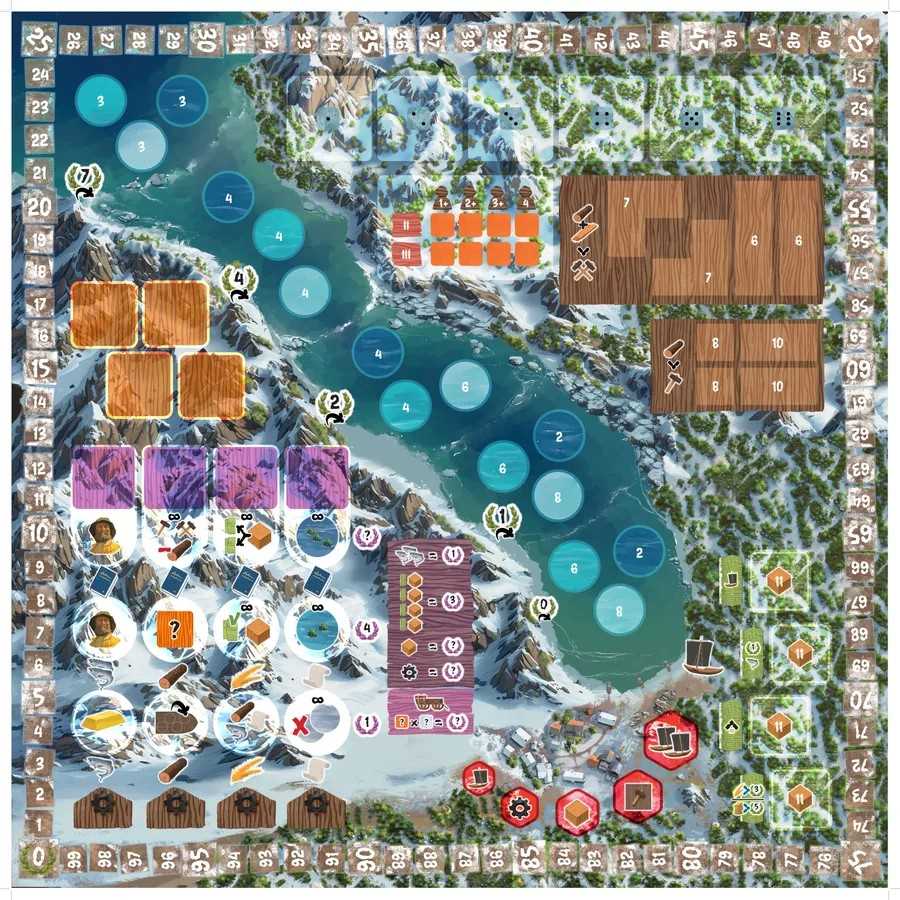
Aporta Games Saltfjord Board Game - Dice Drafting - Village Development - Resource ManagementBuild a fishing village in northern Norway with Saltfjord, a strategic board game set at the end of the 19th century. Players develop their own settlement while making careful decisions about resources, buildings, trade, and technology. Use dice drafting to determine the actions available to you, then send your boat out to gather fish and expand the prosperity of your village. Construct new buildings, improve your capabilities, and discover technologies that can make everyday life more efficient. The game draws inspiration from the dice-drafting mechanisms of Santa Maria, while introducing its own setting, systems, and expanded gameplay. Each decision contributes to the direction of your settlement, giving players several ways to pursue success.45,21 £*Shipping: 3,95 £Secure redirect to the provider
-
Innovation: Fourth Edition Board Game - 2-4 Players - New Edition with Age 11 CardsStrategic card game for 2 to 4 players. Build a civilization through ideas, inventions, and cultural advances. Includes updated artwork, streamlined rules, and new expansion The Unseen.17,58 £*Shipping: 3,95 £Secure redirect to the provider
-
T.i./New Metal Design Fishing Village Wall Sculpture Brown , BrownNestled right along the water's edge, the Fishing Village rises early for the best catch. Designed by artist Joanne Ferrara, the handcrafted wood and metal wall art resembles a realistic fishing village complete with boats, traps, docks, buoys,...199,99 $*Shipping: 0,00 $Secure redirect to the provider
-
Our Voices: Neighborhood & Community Boxed SetFoster a feeling of belonging while building key reading skills with these colorful storybooks that spotlight a variety of neighborhoods and communities. The 10 charming stories feature characters from different cultural backgrounds who learn about...32,37 $*Shipping: 0,00 $Secure redirect to the provider
-
What is covalent development?
Covalent development is a term used in the context of software development to describe a collaborative approach to building and maintaining software. It involves multiple developers working together on the same codebase, using version control systems to manage changes and updates. Covalent development emphasizes communication, teamwork, and shared responsibility for the code, leading to a more efficient and cohesive development process. This approach allows for greater flexibility and adaptability in responding to changes and challenges in the development process. **
-
What are covalent bonds?
Covalent bonds are a type of chemical bond formed between two atoms when they share one or more pairs of electrons. This sharing of electrons allows both atoms to achieve a more stable electron configuration, typically by filling their outermost energy levels. Covalent bonds are typically found in molecules and are responsible for holding the atoms together to form the structure of the molecule. These bonds can be either polar, where the shared electrons are not equally distributed between the atoms, or nonpolar, where the shared electrons are equally distributed. **
-
What is a covalent bond?
A covalent bond is a type of chemical bond that involves the sharing of electron pairs between atoms. This sharing of electrons allows each atom to achieve a more stable electron configuration, typically by filling their outermost energy level. Covalent bonds are typically found in molecules and are stronger than other types of chemical bonds, such as ionic bonds. The number of shared electrons can vary, leading to different types of covalent bonds, such as single, double, or triple bonds. **
-
What is a non-covalent bond?
A non-covalent bond is a type of chemical bond that does not involve the sharing of electrons between atoms. Instead, non-covalent bonds are formed through electrostatic interactions, such as hydrogen bonding, van der Waals forces, and ion-dipole interactions. These bonds are generally weaker than covalent bonds and can be easily broken under certain conditions. **
Similar search terms for Covalent
-
T.i./New Metal Design Cabana Village Wall Sculpture Multi Bright , Multi BrightPerched right upon the water, the Cabana Village charms those with seafaring dreams. Designed by artist Joanne Ferrara, the handcrafted metal wall sculpture features three bright green, aqua blue, and salmon houses on stilts above the waves....199,99 $*Shipping: 0,00 $Secure redirect to the provider
-
"""Kumeu River""" """Kumeu River Village Pinot Noir 2022 Red Wine - New Zealand""""""The wine displays a bright cherry red/burgundy color with lifted red fruit aromas. On the palate the wine is cool, round and fruity and with a nice hint of chalky tannin that keeps the wine dry and refreshing. Bright raspberry and maraschino cherry..."24,97 $*Shipping: 0,00 $Secure redirect to the provider
-
Sesderma Reti Age 5 Liposomal Serum Anti-Aging Innovation 30mLA facial serum for wrinkles and signs of ageing. Reduces wrinkles and fine lines. Hydrates and strengthens barrier. Restores youthful radiance. 5-Retinoid System: smooths wrinkles, accelerates renewal, and boosts collagen. Biomimetic Peptides: fill expression lines by stimulating collagen synthesis.53,26 £*Shipping: 5,22 £Secure redirect to the provider
-
"""Chateau Petit Village""" """Chateau Petit Village 2022 Red Wine - France""""""Blend: 65% Merlot, 28% Cabernet Franc, 7% Cabernet Sauvignon The blackberries and blueberries, ash and cedar are prevalent on the nose, flowing through to a medium body with a beautiful center palate and curated tannins that run the length of the..."156,99 $*Shipping: 0,00 $Secure redirect to the provider
-
What does "covalent" mean in chemistry?
In chemistry, "covalent" refers to a type of chemical bond that involves the sharing of electron pairs between atoms. This type of bond is formed between nonmetal atoms and is characterized by the atoms sharing electrons in order to achieve a stable electron configuration. Covalent bonds are typically strong and result in the formation of molecules. **
-
Is covalent bonding a difficult topic?
Covalent bonding can be a challenging topic for some students due to its abstract nature and the need to understand concepts such as electron sharing and molecular geometry. However, with proper explanation and practice, students can grasp the fundamentals of covalent bonding. It is important to break down the concepts into simpler parts and provide real-world examples to help students understand the concept better. With patience and practice, students can overcome the difficulties associated with covalent bonding. **
-
What is a nonpolar covalent bond?
A nonpolar covalent bond is a type of chemical bond where two atoms share electrons equally. This occurs when the difference in electronegativity between the two atoms is very small or nonexistent. As a result, there is no separation of charge within the bond, making it nonpolar. Nonpolar covalent bonds are typically found between atoms of the same element or between atoms with similar electronegativities. **
-
Can you explain the covalent bond?
A covalent bond is a type of chemical bond that involves the sharing of electron pairs between atoms. This sharing of electrons allows each atom to achieve a full outer electron shell, making the atoms more stable. Covalent bonds are typically formed between nonmetal atoms, and the strength of the bond is determined by the number of shared electrons and the distance between the nuclei of the atoms. Covalent bonds can be either polar or nonpolar, depending on the electronegativity difference between the atoms involved. **
* All prices are inclusive of VAT and, if applicable, plus shipping costs. The offer information is based on the details provided by the respective shop and is updated through automated processes. Real-time updates do not occur, so deviations can occur in individual cases. ** Note: Parts of this content were created by AI.