Buy new-village.com ?
We are moving the project
new-village.com .
Are you interested in purchasing the domain
new-village.com ?
domain@kv-gmbh.de · 0541-91531010
Buy new-village.com ?
What differences were there in the development of integration?
The development of integration varied across different regions and time periods. In the United States, integration was a slow and often contentious process, marked by significant resistance and violence, particularly in the South during the Civil Rights Movement. In Europe, integration has been more gradual and has been driven by economic and political factors, such as the formation of the European Union. Overall, the approach to integration has differed based on historical, cultural, and social contexts. **
What are the differences between comprehensive school and community school?
Comprehensive schools and community schools are both types of public schools, but they have some key differences. Comprehensive schools are non-selective and admit students of all abilities, whereas community schools may have selective admissions criteria. Comprehensive schools often offer a wider range of subjects and extracurricular activities, while community schools may have a more focused curriculum. Additionally, comprehensive schools are often larger and serve a more diverse student population, while community schools may be smaller and more closely tied to the local community. **

Similar search terms for Differences
Top-Angebote
Products related to Differences:
-
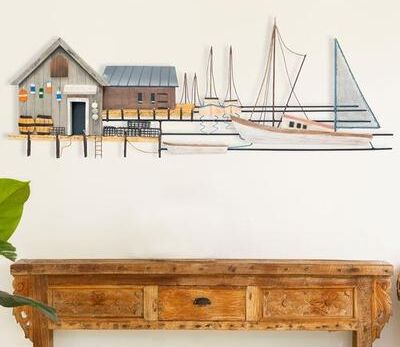
T.i./New Metal Design Fishing Village Wall Sculpture Brown , BrownNestled right along the water's edge, the Fishing Village rises early for the best catch. Designed by artist Joanne Ferrara, the handcrafted wood and metal wall art resembles a realistic fishing village complete with boats, traps, docks, buoys,...199,99 $*Shipping: 0,00 $Secure redirect to the provider
-
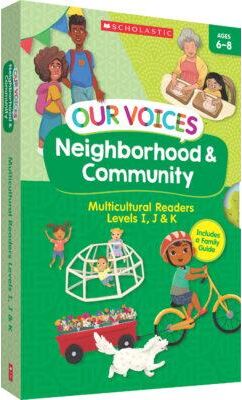
Our Voices: Neighborhood & Community Boxed SetFoster a feeling of belonging while building key reading skills with these colorful storybooks that spotlight a variety of neighborhoods and communities. The 10 charming stories feature characters from different cultural backgrounds who learn about...32,37 $*Shipping: 0,00 $Secure redirect to the provider
-
T.i./New Metal Design Cabana Village Wall Sculpture Multi Bright , Multi BrightPerched right upon the water, the Cabana Village charms those with seafaring dreams. Designed by artist Joanne Ferrara, the handcrafted metal wall sculpture features three bright green, aqua blue, and salmon houses on stilts above the waves....199,99 $*Shipping: 0,00 $Secure redirect to the provider
-
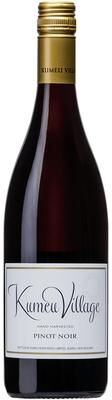
"""Kumeu River""" """Kumeu River Village Pinot Noir 2022 Red Wine - New Zealand""""""The wine displays a bright cherry red/burgundy color with lifted red fruit aromas. On the palate the wine is cool, round and fruity and with a nice hint of chalky tannin that keeps the wine dry and refreshing. Bright raspberry and maraschino cherry..."24,97 $*Shipping: 0,00 $Secure redirect to the provider

-
What are the differences between fossil fuels and renewable energy, specifically wind energy?
Fossil fuels are non-renewable sources of energy that are formed from the remains of plants and animals that lived millions of years ago. They release harmful greenhouse gases when burned, contributing to climate change. On the other hand, wind energy is a renewable source of energy that harnesses the power of the wind to generate electricity. It is clean, abundant, and does not produce greenhouse gas emissions, making it a more sustainable alternative to fossil fuels. Additionally, wind energy is considered more environmentally friendly as it has a lower impact on the environment compared to fossil fuels, which require extensive mining and drilling operations. **
-
Is urban design more like city planning or urban development?
Urban design is more closely related to city planning than urban development. City planning focuses on the organization and development of urban areas, including land use, infrastructure, and public spaces, which are all key components of urban design. Urban development, on the other hand, typically refers to the physical construction and economic growth within urban areas, which is influenced by urban design and city planning decisions. Therefore, while urban design is related to both city planning and urban development, it is more aligned with the principles and goals of city planning. **
-
How does geography influence urban development?
Geography influences urban development in several ways. The natural landscape, such as mountains, rivers, and coastlines, can shape the layout and expansion of cities. For example, cities may develop along rivers for access to water and transportation, or be constrained by mountains, leading to more compact development. Additionally, climate and natural resources can impact the types of industries and economic activities that thrive in a city, further shaping its development. Finally, the availability of land for expansion and the potential for natural disasters can also influence urban planning and development. **
-
What are the differences between fossil energy sources and renewable energy, specifically wind energy?
Fossil energy sources, such as coal, oil, and natural gas, are non-renewable and finite resources that are formed over millions of years. They release greenhouse gases and other pollutants when burned, contributing to climate change and air pollution. In contrast, wind energy is a renewable energy source that harnesses the power of the wind to generate electricity. It is clean, abundant, and does not produce greenhouse gas emissions or air pollutants during operation. Additionally, wind energy is sustainable in the long term as wind is a naturally occurring resource that will not deplete. **


What were the main differences between rural and urban societies in the Middle Ages?
In the Middle Ages, rural societies were primarily agricultural, with the majority of the population living in small villages and working the land. These communities were often self-sufficient, with limited contact with the outside world. In contrast, urban societies were centered around cities and were more diverse and interconnected, with a greater emphasis on trade, commerce, and specialized crafts. Urban areas also tended to have a higher concentration of wealth and political power, as well as a more complex social structure. Overall, the main differences between rural and urban societies in the Middle Ages were their economic activities, social structures, and levels of connectivity with the wider world. **
What does decentralization mean in urban development?
Decentralization in urban development refers to the distribution of power, resources, and decision-making processes away from a central authority to local governments, communities, or individuals. This approach aims to empower local stakeholders to have more control over their own development, leading to more sustainable and inclusive urban growth. Decentralization can help improve efficiency, accountability, and responsiveness in urban planning and management by involving a wider range of actors in the decision-making process. Ultimately, decentralization in urban development can lead to more resilient and vibrant cities that better meet the diverse needs of their residents. **
Top-Angebote
Products related to Differences:
-
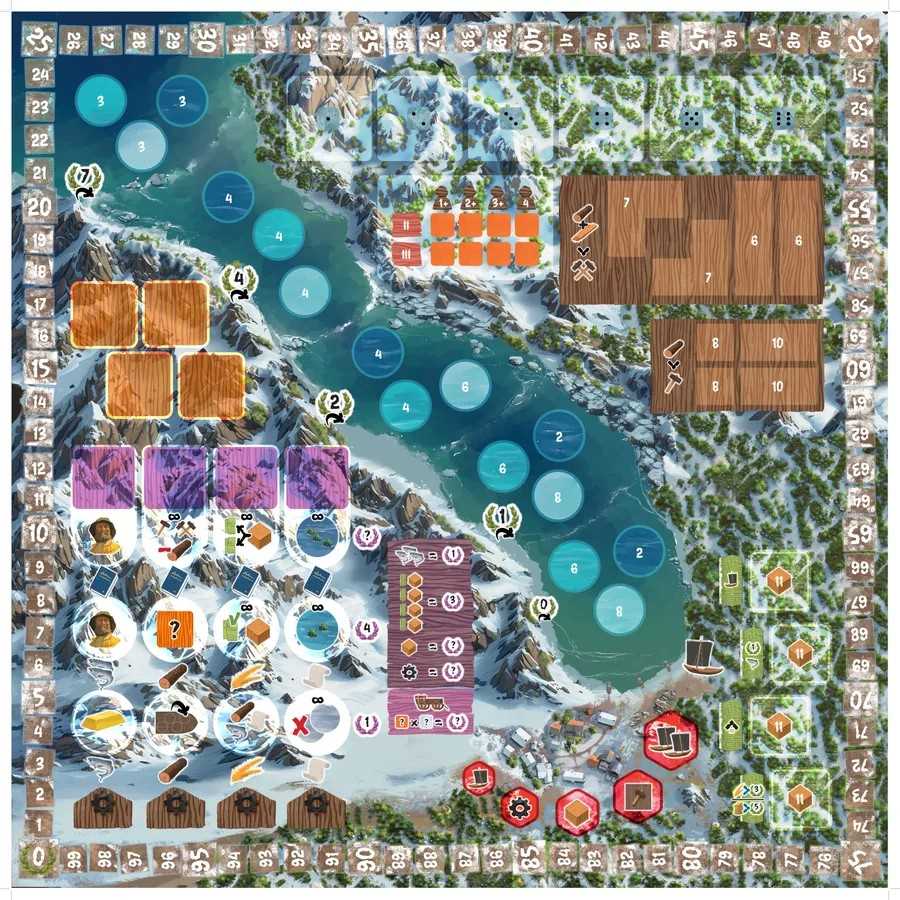
Aporta Games Saltfjord Board Game - Dice Drafting - Village Development - Resource ManagementBuild a fishing village in northern Norway with Saltfjord, a strategic board game set at the end of the 19th century. Players develop their own settlement while making careful decisions about resources, buildings, trade, and technology. Use dice drafting to determine the actions available to you, then send your boat out to gather fish and expand the prosperity of your village. Construct new buildings, improve your capabilities, and discover technologies that can make everyday life more efficient. The game draws inspiration from the dice-drafting mechanisms of Santa Maria, while introducing its own setting, systems, and expanded gameplay. Each decision contributes to the direction of your settlement, giving players several ways to pursue success.45,21 £*Shipping: 3,95 £Secure redirect to the provider
-
Innovation: Fourth Edition Board Game - 2-4 Players - New Edition with Age 11 CardsStrategic card game for 2 to 4 players. Build a civilization through ideas, inventions, and cultural advances. Includes updated artwork, streamlined rules, and new expansion The Unseen.17,58 £*Shipping: 3,95 £Secure redirect to the provider
-
T.i./New Metal Design Fishing Village Wall Sculpture Brown , BrownNestled right along the water's edge, the Fishing Village rises early for the best catch. Designed by artist Joanne Ferrara, the handcrafted wood and metal wall art resembles a realistic fishing village complete with boats, traps, docks, buoys,...199,99 $*Shipping: 0,00 $Secure redirect to the provider
-
Our Voices: Neighborhood & Community Boxed SetFoster a feeling of belonging while building key reading skills with these colorful storybooks that spotlight a variety of neighborhoods and communities. The 10 charming stories feature characters from different cultural backgrounds who learn about...32,37 $*Shipping: 0,00 $Secure redirect to the provider
-
What differences were there in the development of integration?
The development of integration varied across different regions and time periods. In the United States, integration was a slow and often contentious process, marked by significant resistance and violence, particularly in the South during the Civil Rights Movement. In Europe, integration has been more gradual and has been driven by economic and political factors, such as the formation of the European Union. Overall, the approach to integration has differed based on historical, cultural, and social contexts. **
-
What are the differences between comprehensive school and community school?
Comprehensive schools and community schools are both types of public schools, but they have some key differences. Comprehensive schools are non-selective and admit students of all abilities, whereas community schools may have selective admissions criteria. Comprehensive schools often offer a wider range of subjects and extracurricular activities, while community schools may have a more focused curriculum. Additionally, comprehensive schools are often larger and serve a more diverse student population, while community schools may be smaller and more closely tied to the local community. **
-
What are the differences between fossil fuels and renewable energy, specifically wind energy?
Fossil fuels are non-renewable sources of energy that are formed from the remains of plants and animals that lived millions of years ago. They release harmful greenhouse gases when burned, contributing to climate change. On the other hand, wind energy is a renewable source of energy that harnesses the power of the wind to generate electricity. It is clean, abundant, and does not produce greenhouse gas emissions, making it a more sustainable alternative to fossil fuels. Additionally, wind energy is considered more environmentally friendly as it has a lower impact on the environment compared to fossil fuels, which require extensive mining and drilling operations. **
-
Is urban design more like city planning or urban development?
Urban design is more closely related to city planning than urban development. City planning focuses on the organization and development of urban areas, including land use, infrastructure, and public spaces, which are all key components of urban design. Urban development, on the other hand, typically refers to the physical construction and economic growth within urban areas, which is influenced by urban design and city planning decisions. Therefore, while urban design is related to both city planning and urban development, it is more aligned with the principles and goals of city planning. **
Similar search terms for Differences
-
T.i./New Metal Design Cabana Village Wall Sculpture Multi Bright , Multi BrightPerched right upon the water, the Cabana Village charms those with seafaring dreams. Designed by artist Joanne Ferrara, the handcrafted metal wall sculpture features three bright green, aqua blue, and salmon houses on stilts above the waves....199,99 $*Shipping: 0,00 $Secure redirect to the provider
-
"""Kumeu River""" """Kumeu River Village Pinot Noir 2022 Red Wine - New Zealand""""""The wine displays a bright cherry red/burgundy color with lifted red fruit aromas. On the palate the wine is cool, round and fruity and with a nice hint of chalky tannin that keeps the wine dry and refreshing. Bright raspberry and maraschino cherry..."24,97 $*Shipping: 0,00 $Secure redirect to the provider
-
Sesderma Reti Age 5 Liposomal Serum Anti-Aging Innovation 30mLA facial serum for wrinkles and signs of ageing. Reduces wrinkles and fine lines. Hydrates and strengthens barrier. Restores youthful radiance. 5-Retinoid System: smooths wrinkles, accelerates renewal, and boosts collagen. Biomimetic Peptides: fill expression lines by stimulating collagen synthesis.53,26 £*Shipping: 5,22 £Secure redirect to the provider
-
"""Chateau Petit Village""" """Chateau Petit Village 2022 Red Wine - France""""""Blend: 65% Merlot, 28% Cabernet Franc, 7% Cabernet Sauvignon The blackberries and blueberries, ash and cedar are prevalent on the nose, flowing through to a medium body with a beautiful center palate and curated tannins that run the length of the..."156,99 $*Shipping: 0,00 $Secure redirect to the provider
-
How does geography influence urban development?
Geography influences urban development in several ways. The natural landscape, such as mountains, rivers, and coastlines, can shape the layout and expansion of cities. For example, cities may develop along rivers for access to water and transportation, or be constrained by mountains, leading to more compact development. Additionally, climate and natural resources can impact the types of industries and economic activities that thrive in a city, further shaping its development. Finally, the availability of land for expansion and the potential for natural disasters can also influence urban planning and development. **
-
What are the differences between fossil energy sources and renewable energy, specifically wind energy?
Fossil energy sources, such as coal, oil, and natural gas, are non-renewable and finite resources that are formed over millions of years. They release greenhouse gases and other pollutants when burned, contributing to climate change and air pollution. In contrast, wind energy is a renewable energy source that harnesses the power of the wind to generate electricity. It is clean, abundant, and does not produce greenhouse gas emissions or air pollutants during operation. Additionally, wind energy is sustainable in the long term as wind is a naturally occurring resource that will not deplete. **
-
What were the main differences between rural and urban societies in the Middle Ages?
In the Middle Ages, rural societies were primarily agricultural, with the majority of the population living in small villages and working the land. These communities were often self-sufficient, with limited contact with the outside world. In contrast, urban societies were centered around cities and were more diverse and interconnected, with a greater emphasis on trade, commerce, and specialized crafts. Urban areas also tended to have a higher concentration of wealth and political power, as well as a more complex social structure. Overall, the main differences between rural and urban societies in the Middle Ages were their economic activities, social structures, and levels of connectivity with the wider world. **
-
What does decentralization mean in urban development?
Decentralization in urban development refers to the distribution of power, resources, and decision-making processes away from a central authority to local governments, communities, or individuals. This approach aims to empower local stakeholders to have more control over their own development, leading to more sustainable and inclusive urban growth. Decentralization can help improve efficiency, accountability, and responsiveness in urban planning and management by involving a wider range of actors in the decision-making process. Ultimately, decentralization in urban development can lead to more resilient and vibrant cities that better meet the diverse needs of their residents. **
* All prices are inclusive of VAT and, if applicable, plus shipping costs. The offer information is based on the details provided by the respective shop and is updated through automated processes. Real-time updates do not occur, so deviations can occur in individual cases. ** Note: Parts of this content were created by AI.